




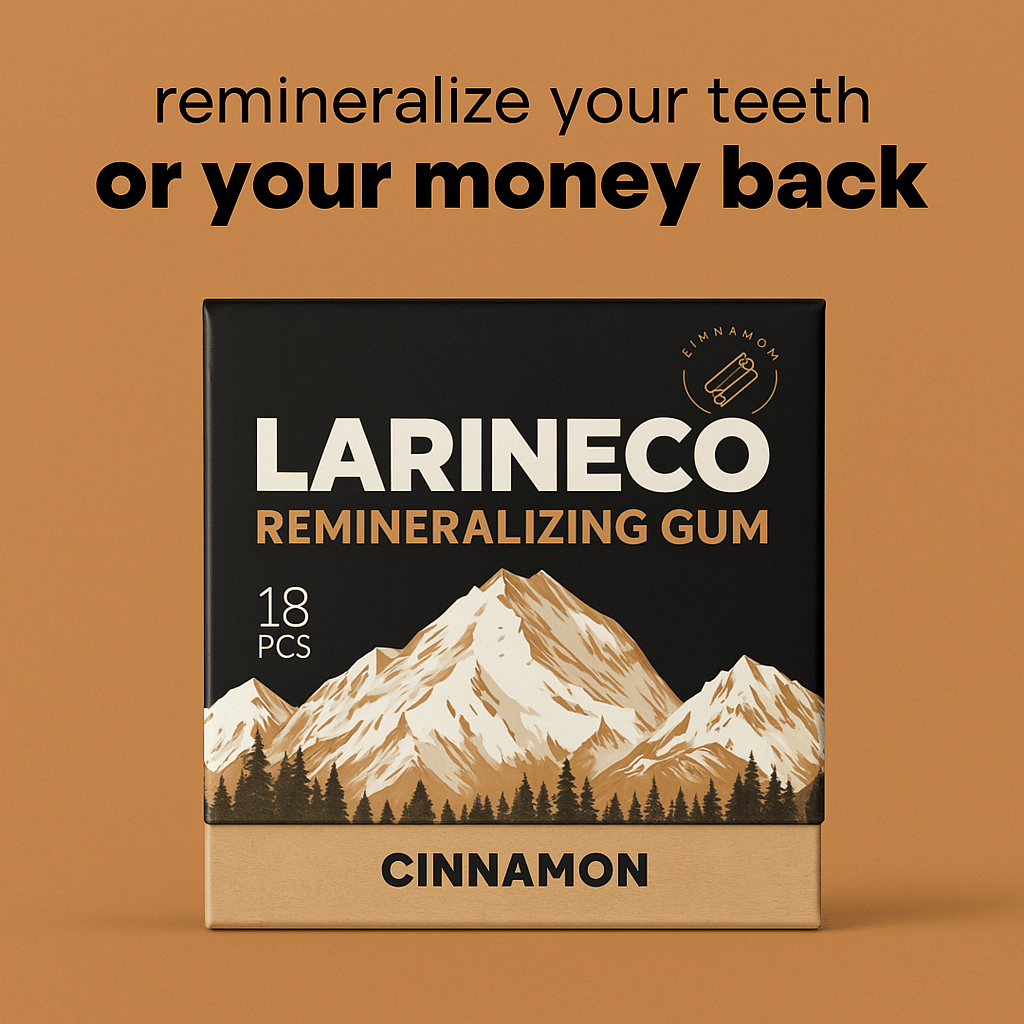


PROTECT YOUR ENAMEL - SHOP NOW
Based on Enamel Research
Sponsored Content
The CDC Says 1 In 5 Adults Is Walking Around With Untreated Tooth Decay, And Most Have No Idea
And the Simple Daily Habit 300,000+ People Use to Help Their Enamel Stand Up to Acid

By | May 6, 2026
Estimated 5-7 Minute Read
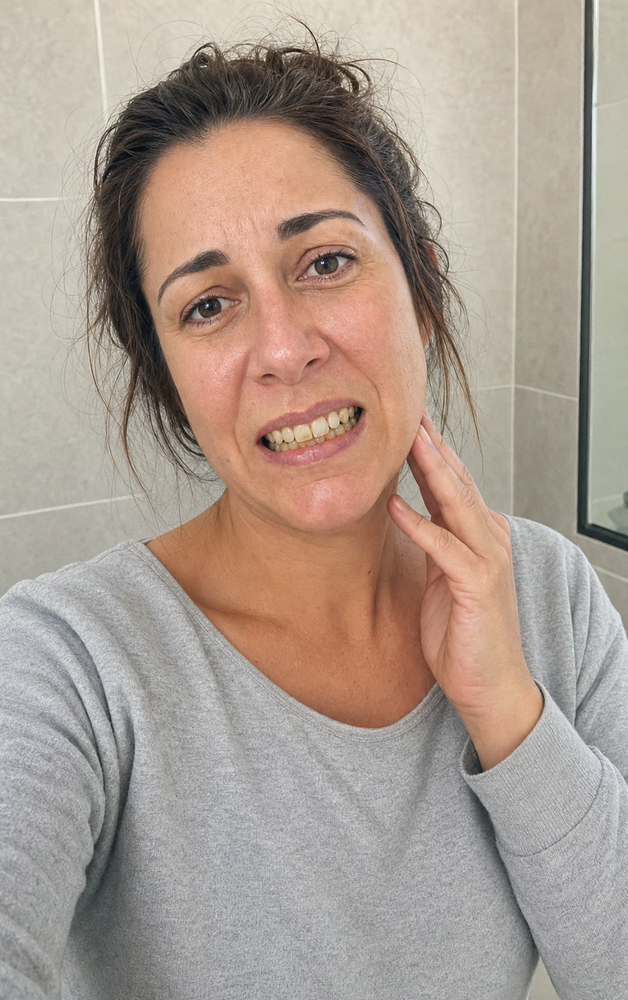
Before

After
Lisa figured she was just one of those people cursed with bad teeth.
This 38 year old teacher from Ohio had heard some version of it for years, so she'd stopped questioning it.
A rough, stripped feeling on her teeth by the afternoon. A chalky, dull patch near the gumline where the enamel was thinning. That filmy coating that crept back a couple of hours after she brushed.
"I just figured my teeth were a lost cause," she admits.
"Brushing twice a day, flossing, doing everything right, and my enamel still felt like it was slipping away. What else was I supposed to do?"
But Lisa's "bad teeth" had nothing to do with bad genes. And she's not the only one…
Look, The Tooth Troubles You Blame On Bad Luck... Aren't
Do any of these sound familiar?

Enamel that feels less smooth than it did a year ago

White, chalky spots showing up near your gumline where the enamel is wearing thin

A rough, fuzzy film you can feel with your tongue by the middle of the afternoon

Teeth that look duller and flatter than they used to

A rough, stripped feeling on your teeth after acidic foods and drinks

Breath that turns stale again just a couple of hours after you brush

A filmy coating that keeps creeping back a couple of hours after coffee or soda
Most people notice two or three of these at the same time.
They chalk it up to bad genes, or soft teeth they figure they were just born with, and they treat each one on its own. An abrasive scrub here, a surface polish there, always chasing the symptom and never the cause.
But what if every one of these traced back to the same hidden cause?
What if the research says millions of Americans are quietly losing enamel minerals every single day, and they have no idea it's happening?
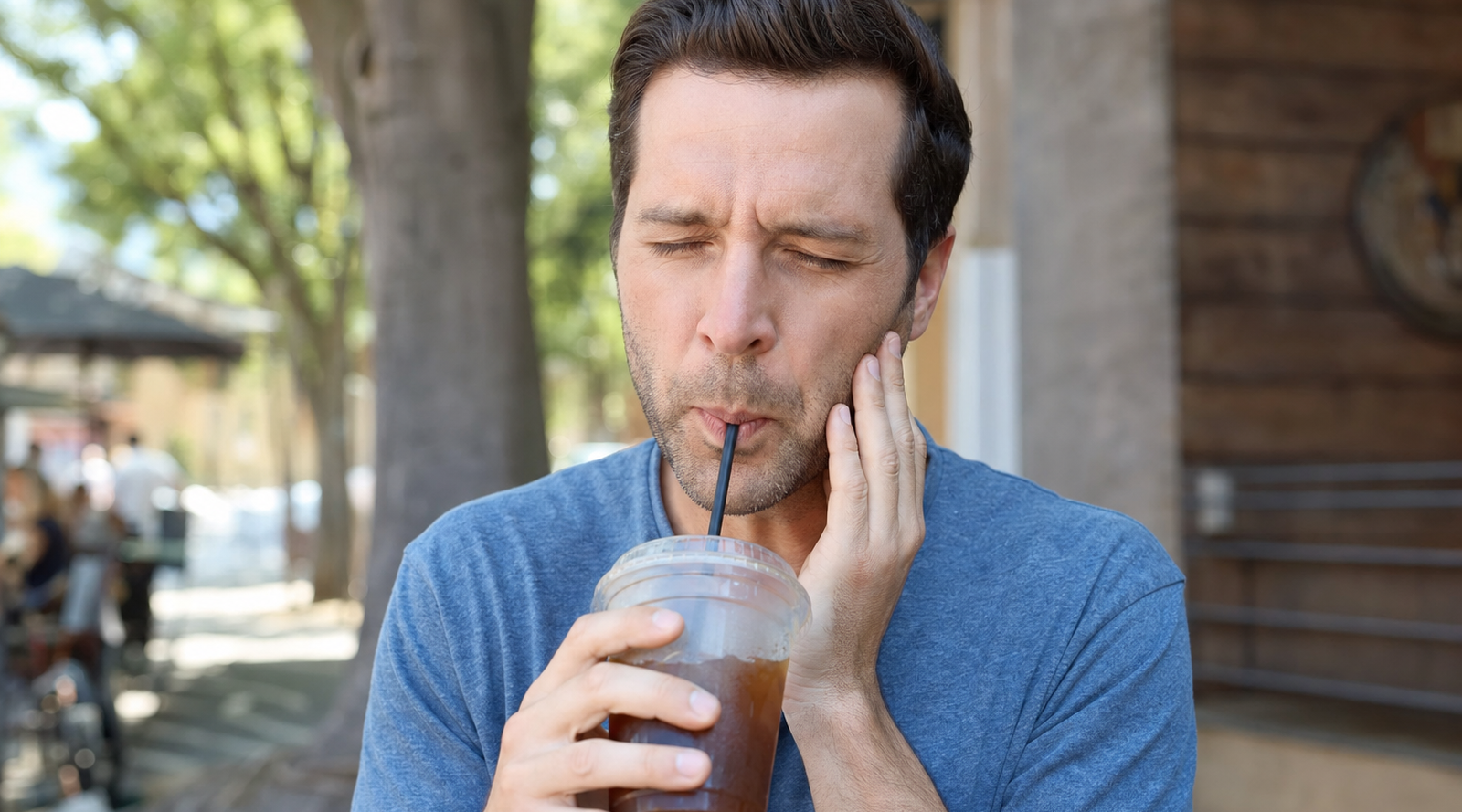
The Quiet War On Your Enamel
If two or more of those signs sounded a little too familiar…
Then here's what's actually going on.
Acid is pulling minerals out of your enamel, a little more with every passing day.
Here's the part that stopped me cold. The CDC's own figures show about 1 in 5 U.S. adults aged 20 to 64 is walking around with untreated tooth decay right now.
And the true number is almost certainly higher than that, because early mineral loss doesn't hurt. It gives you no warning at all, right up until the enamel has already worn thin.
Most people never feel it coming…
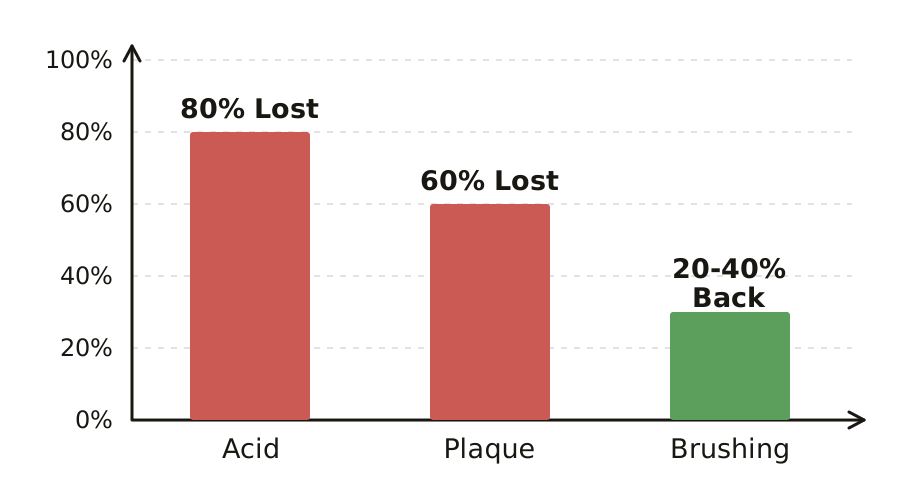
Here's what that acid and plaque are quietly doing to your enamel, all day and all night, while you go about your life
They are:

Dissolving minerals out of your enamel - the everyday mineral loss that leaves enamel weaker
Feeding on sugar and leaving acid behind - that fuzzy film you feel first thing in the morning
Hiding under a layer of plaque - where your brush can't quite reach, so it never fully clears
Wearing enamel down right at the gumline - exactly where the enamel starts to thin and lose its minerals first
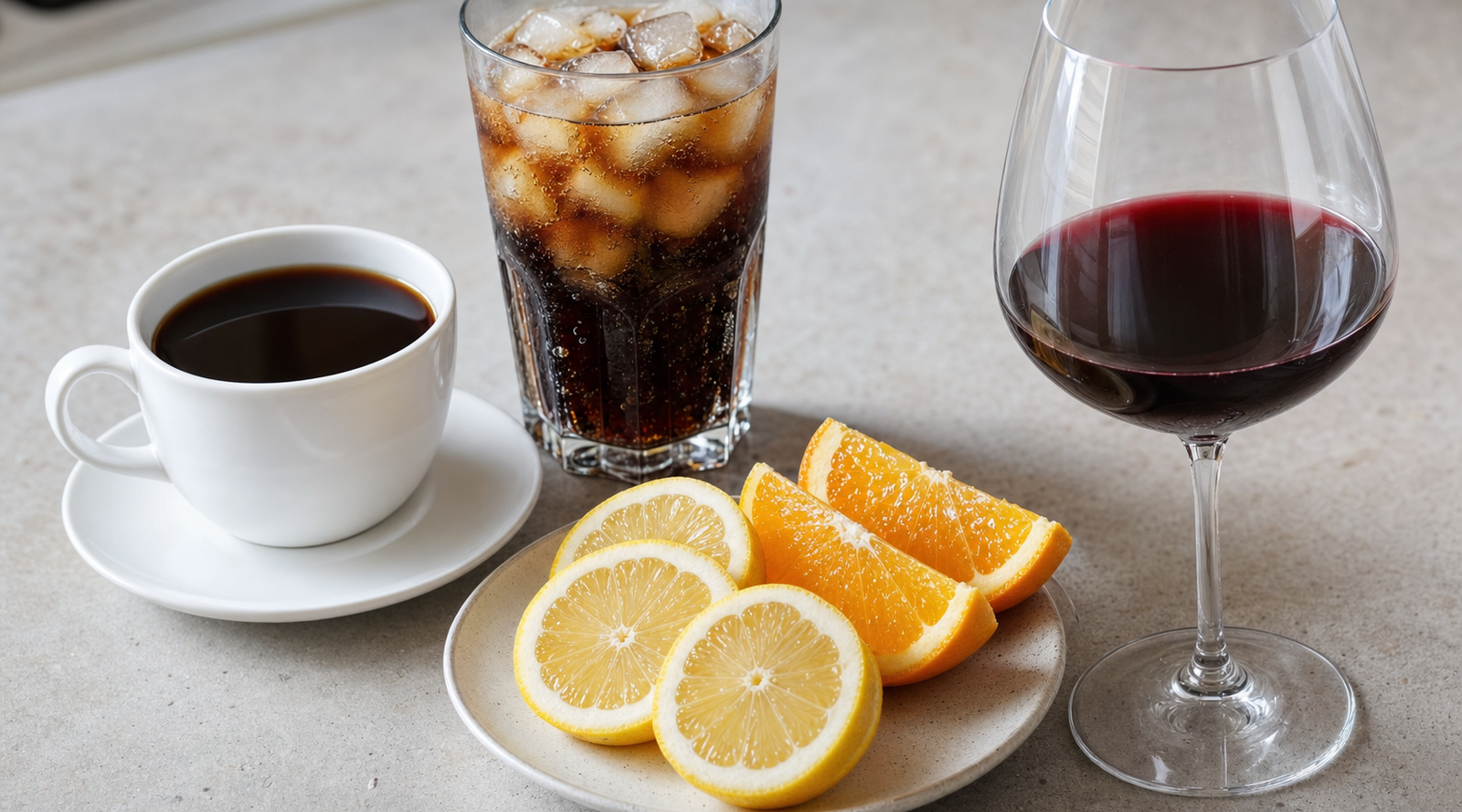
Turning coffee, soda and citrus into acid attacks - that keep going long after you've swallowed the last sip
Think of squatters who sneak in while you sleep and chew away at the walls a little more every night.
No wonder your enamel keeps losing minerals and feeling less smooth, even when you brush the way you're supposed to.
And here's the part nobody tells you: it isn't your fault.
Your enamel has been quietly losing minerals, day after day, and you had no clue it was happening.
Your Brush Should Wipe These Bacteria Out…
But There's A Sticky Shield That Keeps Them Safe
Here's what makes it even worse...
The acid-making bacteria in your mouth have a clever way of dodging everything you throw at them.
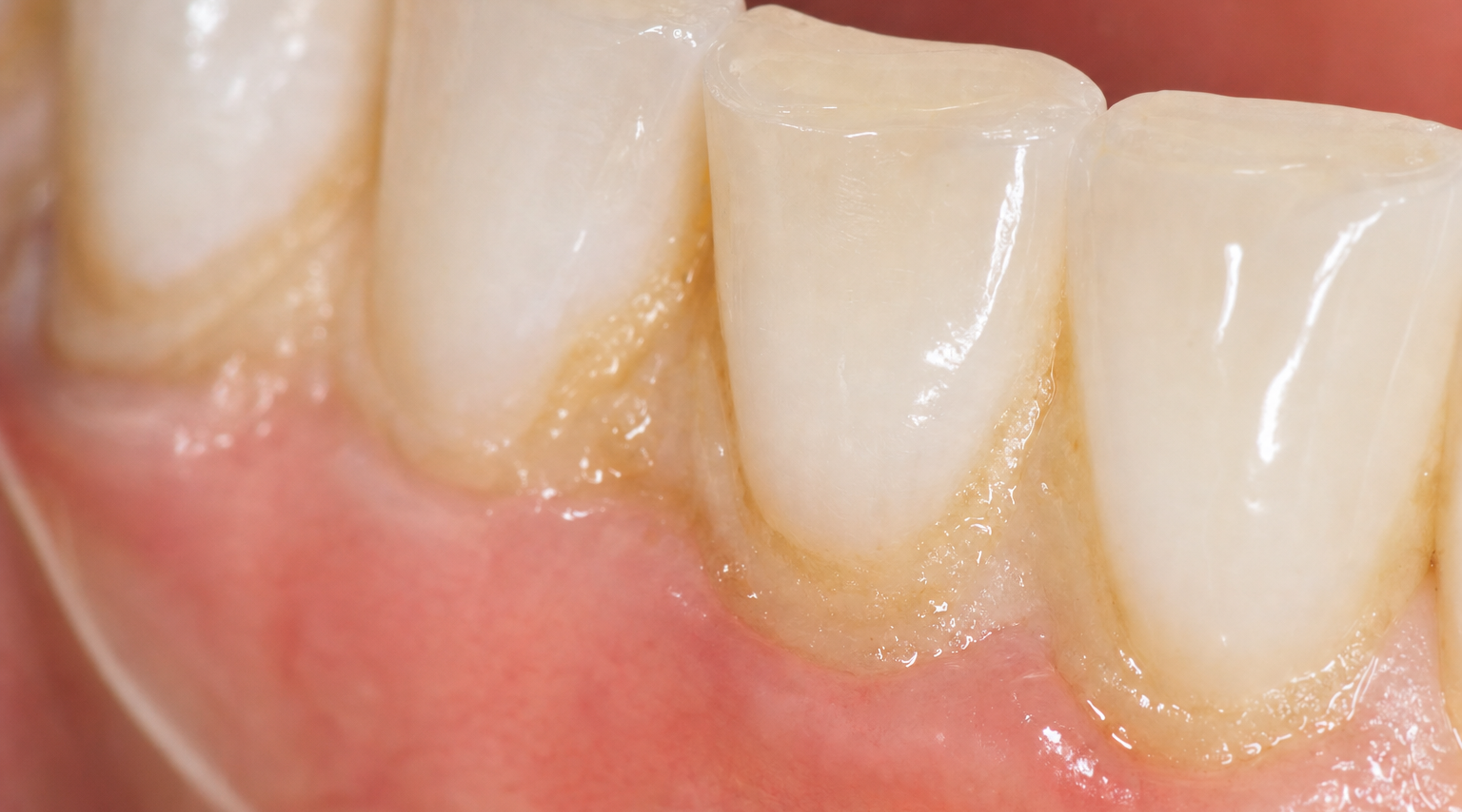
They wrap themselves in a sticky layer scientists call a biofilm, basically a slimy coat of glue and germs stuck right to your teeth. (It's that fuzzy stuff you feel with your tongue first thing in the morning.)
That coating is what makes them so hard to reach, and a quick brush never fully lifts it.
Microbiology research has shown that bacteria tucked inside a biofilm can be up to 1,000 times more resistant to the things meant to kill them than the same bacteria floating free.
It's like scrubbing mold that somebody already painted over. You can go at it all day, but you never reach what's actually causing the trouble underneath.
That's why brushing harder has never fixed the real problem for you.

Brushing harder?
Scrubs the surface, never puts the lost minerals back.

Abrasive scrubs?
Only skin deep, and they can wear the surface down even more.

Regular mint gum?
Usually packed with sugar, and it puts zero minerals back.
That biofilm keeps the bacteria safe brush after brush, while people spend hundreds on products that never really solve it. Right when you think your mouth is finally clean, the film creeps back stronger than before.
It's like they've built a little fortress right on your teeth…
And the mineral loss keeps going until you actually put minerals back.

The Breakthrough That Turned It Around
This is the point where Lisa's story turned, and yours might too.
After years of just putting up with it, Lisa stumbled onto something that finally made sense.
She started reading the clinical research on a mineral called nano-hydroxyapatite, the very same mineral your enamel is built from.
Size turned out to be the whole trick: the particles are tiny enough to slip into the microscopic gaps in enamel that ordinary minerals are simply too big to reach.
Instead of just coating the tooth, they hand it back the exact mineral that acid keeps stripping away, and researchers have studied this for decades.
What she read stopped her cold.
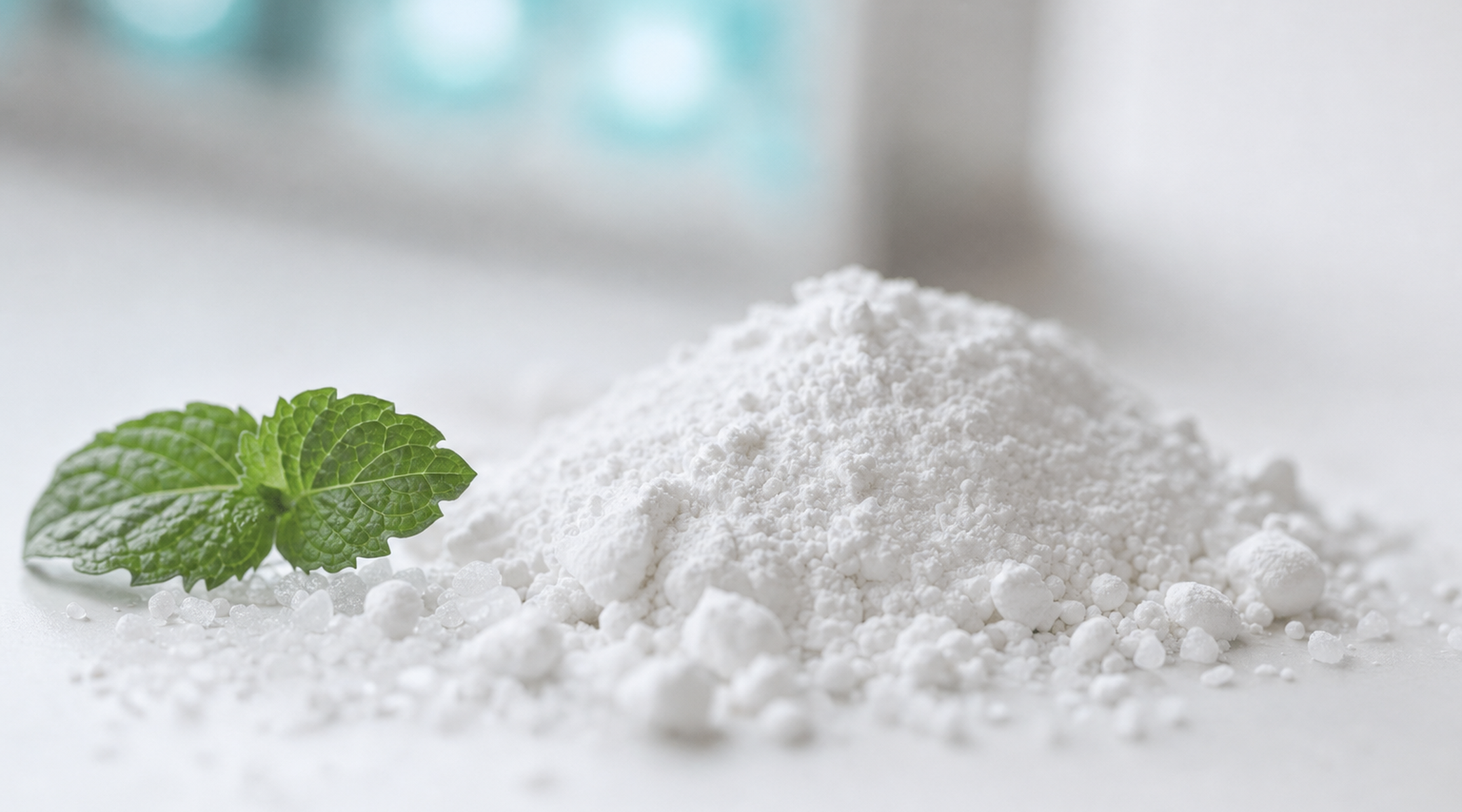
In study after study, hydroxyapatite supported the remineralization of early demineralized enamel, leaving teeth stronger at the surface.
And here's the part that hit home for Lisa: plenty of people who had watched their enamel feel rougher and duller for YEARS finally noticed the surface start to feel smoother again.
Because it works with the tooth instead of just scrubbing at it, the surface gets a real chance to recover.
One reader had watched her enamel turn rough and dull for years, no matter what she tried. A few weeks of chewing a piece after meals, and her teeth started to feel smoother and stronger at the surface.
Another person brushed twice a day like clockwork and still felt that rough, stripped edge near the gumline where the enamel had thinned.
Same thing a few weeks in. The surface felt smoother and stronger, and that rough, stripped feeling had settled right down.
But here's where it gets interesting…
The mineral doing the work in their mouth wasn't just ANY mineral.
It was nano-hydroxyapatite, the exact mineral your enamel is built from.
And here's what nobody tells you: particle size is EVERYTHING.
Most oral products carry their minerals in chunks far too big to reach where it counts.
That's like trying to fill a hairline crack with a paint roller. Sure, it's the right material, but it can't get into the gap.

It all comes down to how small those mineral particles are.
That's why the nano-sized version matters so much. Fine enough to reach the tiny gaps in your enamel where regular minerals never make it.
At that microscopic size, nano-hydroxyapatite can settle right into the soft spots, the little pits where enamel first starts losing its minerals.
Think of it like this: ordinary minerals are rain hitting an umbrella, they just roll off the surface. Nano-sized minerals are fine enough to soak in.
Once they reach those gaps, the surface gets a real chance to replenish and firm back up where acid wore it thin.
So how do you ACTUALLY get that mineral onto your enamel every day, right when it needs it?
The Two-part Approach That's Helping Thousands Protect Their Enamel
Remember Lisa?
She learned that putting minerals back is only half the job. You also have to keep the acid-making bacteria in check, or plaque just rebuilds and your enamel keeps taking hits.
That's why the smartest approach uses TWO things working together:

First: Nano-Hydroxyapatite - the mineral your enamel is actually made of

Second: Xylitol - this is your cleanup crew.
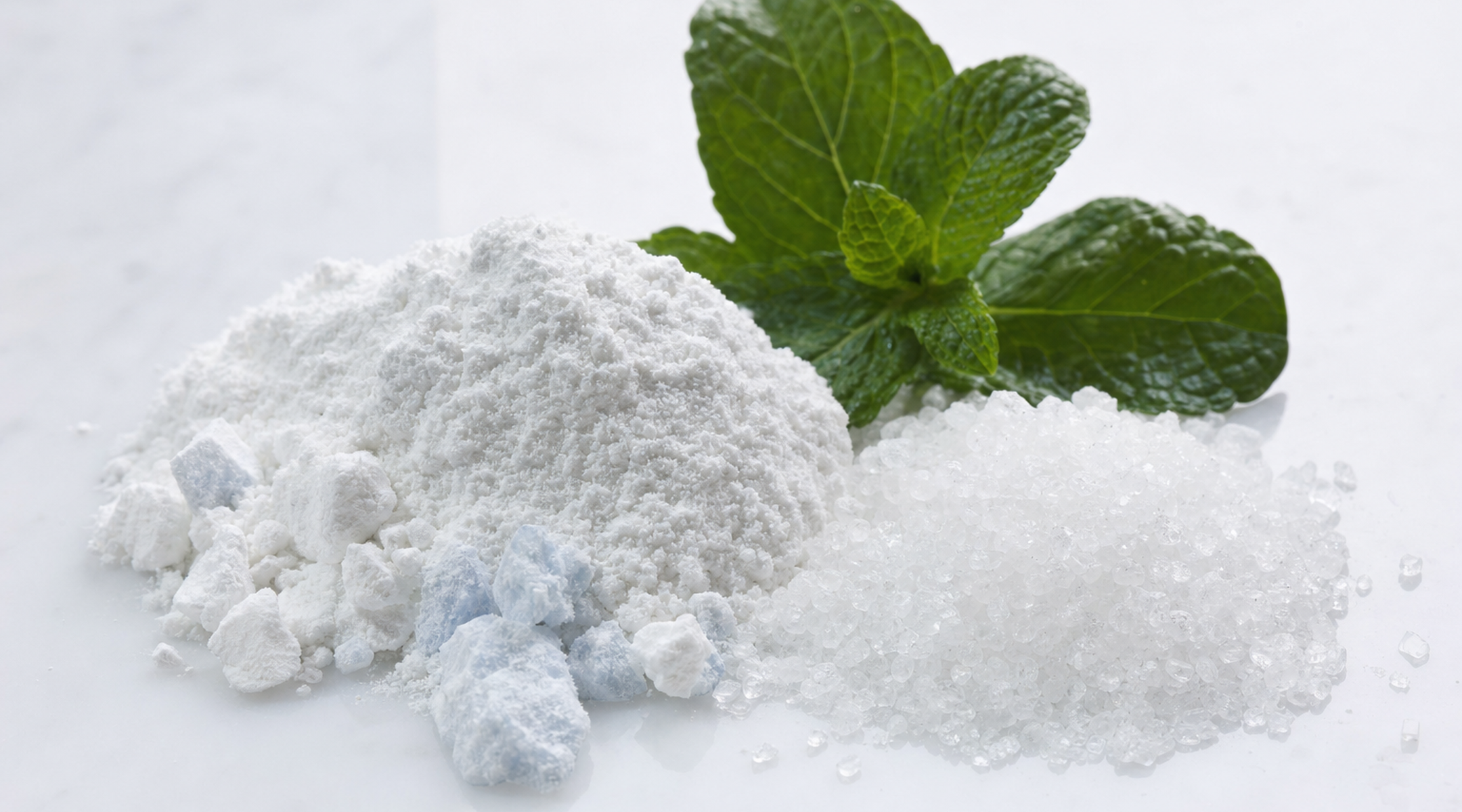
Xylitol is a tooth-friendly sweetener researchers have pointed to for years. It helps cut down the bacteria behind plaque and acid, so your mouth stays cleaner and plaque has a harder time building back up.
Put it next to nano-hydroxyapatite and you get a one-two punch. One replenishes, the other protects.
"I'd tried abrasive scrubs, surface polishes, pricey gels. Nothing really stuck. A couple weeks of chewing this after meals and my teeth finally felt smooth and a lot stronger."
While you're throwing money at quick fixes, the real problem keeps getting worse...
Finally, Something That Actually Works For Your Teeth
Remember that idea I mentioned?
The one where you put minerals back and protect the surface at the same time?
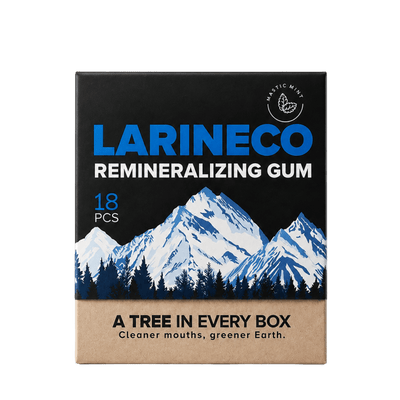
Larineco™ Remineralizing Gum is built around those same two things, nano-hydroxyapatite and xylitol, combined in its Natural RMX50 Complex™.
No single product fixes everything. Your diet, your brushing habits, and staying consistent matter most. If you want an easy way to support your enamel between brushings, here's one option a lot of people have found helpful.
It's called Larineco™ Remineralizing Gum.
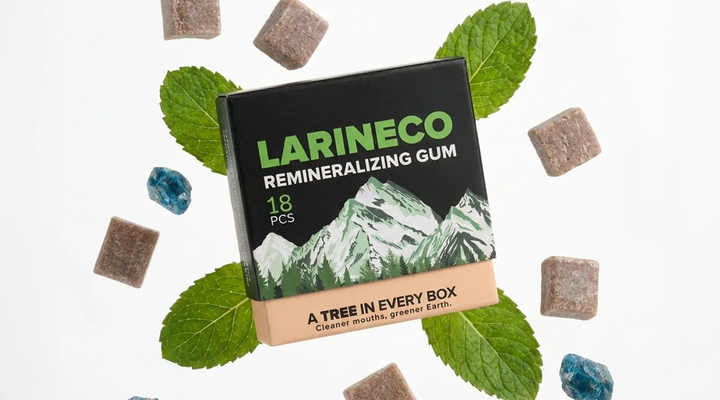
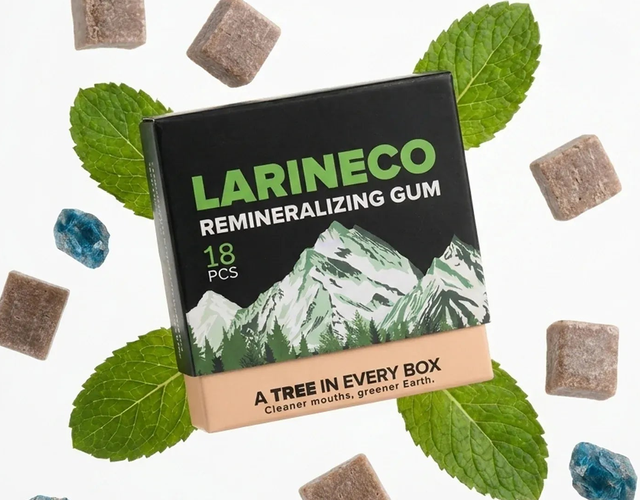
And people are noticing.
Larineco™ Remineralizing Gum is powered by nano-hydroxyapatite and xylitol, its Natural RMX50 Complex™.
It's sugar-free and fluoride-free, with no artificial sweeteners, harsh chemicals, or fillers.
The best part?
It's not some sketchy gum packed with junk you can't pronounce.



Sugar-free and fluoride-free, with no artificial sweeteners or fillers (most gum can't say that)

Nano-hydroxyapatite: used in oral care for over 40 years

Trusted by 300,000+ people supporting stronger enamel.
Real People, Real Results
"
"I love this gum! The flavors are subtle and never overpowering, nothing like the typical gum you'll find on a store shelf. I appreciate that it's made with natural ingredients and is actually good for my teeth. It's become my go-to gum, and I highly recommend giving it a try."
RD Aguera | Trustpilot
"
"Makes my mouth feel clean and crisp, and it lasts a long time. It has become part of my routine."
Carol Breitfeller | Trustpilot
"
Individual results may vary. "This gum has helped restore my gum health. The gum is tasty and lasts a long time."
Jayne Smith | Trustpilot
Here's The Part Nobody Mentions
When you first start chewing a piece after meals, don't expect an overnight change.
There's no cleanse to get through and no rough few days. Enamel support is slow and gentle by nature.
And that's exactly how it should work.
Minerals settle back into your enamel a little at a time, not all at once. Most people say their teeth feel smoother and their breath stays fresher within the first week or two.
The bigger difference, enamel that feels smoother and stronger as those minerals build back up, usually shows up around week three or four of chewing every day.

Your Teeth Are Trying To Tell You Something
That rough, stripped patch your tongue keeps finding? That dull spot near the gumline? That's not nothing, and it isn't "just getting older."
They're EARLY WARNING SIGNS.
Every day you ignore them:
The acid keeps softening your enamel
The plaque keeps rebuilding on your teeth
Your enamel keeps losing minerals
Those soft spots keep losing minerals, and the enamel wears thinner
But imagine enamel that feels smoother and stronger, with its minerals replenished day after day.
A surface that stands up to the acid in coffee, soda and citrus.
Running your tongue over teeth that feel smooth again, breath that stays fresh.
Catching your reflection and feeling genuinely good about your smile again.
That’s what your days can feel like once you deal with what may be the real issue.


The Choice That Turned It Around
Lisa made her choice after years of frustration.
"I'd already spent plenty on abrasive scrubs, surface polishes, and more quick fixes than I want to admit. What's another $10? Especially
with a money-back guarantee."
Ten days in, her teeth already felt smoother. A few weeks later, the surface felt stronger than it had in years, with the minerals steadily building back.
Six months later:
"I actually feel good about my teeth now. I didn't realize how much I'd been bracing for bad news until it stopped coming."
Individual results may vary.

It’s Time To Put The Minerals Back
Look, the acid attacks and mineral loss aren’t stopping on their own.
Every snack and every sip keeps chipping away at enamel in the hours between brushings.
You can keep letting the acid strip minerals from your enamel, day after day.
Or you can start putting minerals back every day.
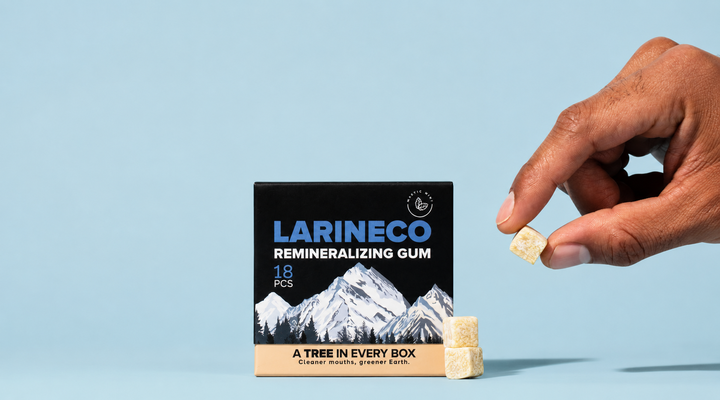
Larineco comes with a 30-day money-back guarantee because we’re confident you’ll notice the difference.
Don't wait another day. Your smile is worth it.
Order Larineco™ Remineralizing Gum Now - A sugar-free, fluoride-free gum built around nano-hydroxyapatite and xylitol, the Natural RMX50 Complex.
P.S. The CDC reports that about 1 in 5 U.S. adults aged 20 to 64 has untreated tooth decay right now, and early enamel loss usually gives no warning until the surface has already worn thin. Larineco is powered by nano-hydroxyapatite, the same mineral roughly 97% of your enamel is made of, paired with xylitol. Most people notice a difference within the first few weeks. Don’t let another day of acid go by. Start putting minerals back today while it’s still on offer.