

Oral Science Journal
What is Xylitol and How Can it Help Tooth Enamel?

What is Xylitol and How Can it Help Tooth Enamel?

Xylitol has earned a reputation as the "good-for-you sugar," and some people even call it a miracle sweetener. Dentists recommend it and oral care brands put it front and center, so it keeps showing up on the back of your sugar-free gum and mints. But a sweet ingredient that's actually good for your teeth sounds too good to be true, especially if you grew up hearing that sugar was the enemy at every dental checkup. So what's really going on, and does xylitol live up to the hype?
What is xylitol?
Xylitol is a sugar alcohol that looks and tastes like sugar, but it's used to help reduce the risk of tooth decay. The main bacteria behind plaque, Streptococcus mutans, feeds on sugar and turns it into acid that wears down your enamel. Those bacteria mistake xylitol for sugar but can't actually feed on it, which helps reduce the number of harmful bacteria in your mouth. That's why you'll find it in sugar-free gum, mints, toothpaste, and mouthwash.
The natural production of xylitol
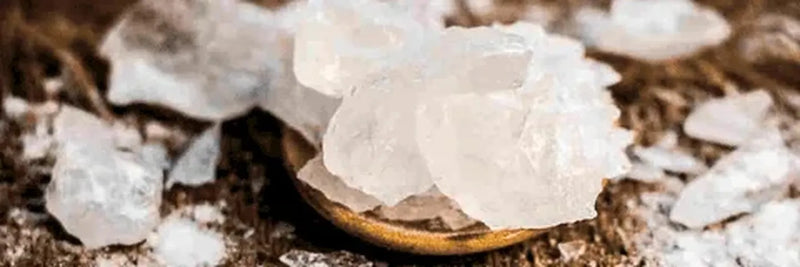
Xylitol comes from nature. Small amounts occur in fruits and vegetables like raspberries, strawberries, mushrooms, and cauliflower. Its name traces back to xylose, or "wood sugar," since it was first extracted from birch trees.
Food sources don't contain enough to benefit your teeth, though, so the xylitol in your gum is usually made from birch bark or corn cobs.
How is xylitol different than other sugar substitutes?
Unlike other sugar substitutes, xylitol actively disrupts the harmful bacteria in your mouth. Those bacteria normally break down the sugar you eat into acid and build sticky networks that anchor them to your enamel.
Bacteria absorb xylitol just like sugar, but they can't break it down, so they waste energy pushing it back out. Without usable fuel, they can't produce acid or hold onto your teeth, which makes them easier to wash away. Sweeteners like sorbitol and sucralose replace sugar's taste but don't disrupt bacteria this way.
Benefits of using xylitol

So, is xylitol good for your teeth? The research is encouraging. Studies show that xylitol supports dental health and helps guard against tooth decay and cavities.
-
Fewer harmful bacteria. In one study, xylitol gum lowered levels of harmful bacteria by 27% to 75%, while beneficial bacteria stayed steady.
-
Less plaque buildup. Since bacteria can't process xylitol, they have a harder time sticking to your teeth and forming plaque.
-
Less acid on your enamel. Because bacteria can't ferment it, xylitol helps keep your mouth's pH closer to neutral.
-
More saliva. Chewing gets saliva flowing, and saliva is your built-in system for neutralizing acid and supporting enamel remineralization.
-
Helps with dry mouth. That extra saliva also keeps your mouth moist and helps wash away food particles after you eat.
Recommended usage of xylitol
To get the most out of xylitol's bacteria-fighting benefits, chew a piece of xylitol gum for about 5 minutes after every meal. That's when harmful bacteria are most active and acid levels in your mouth peak, and chewing gets saliva flowing to bring your pH back to neutral. Start slowly to avoid stomach upset.
How Larineco™ uses xylitol

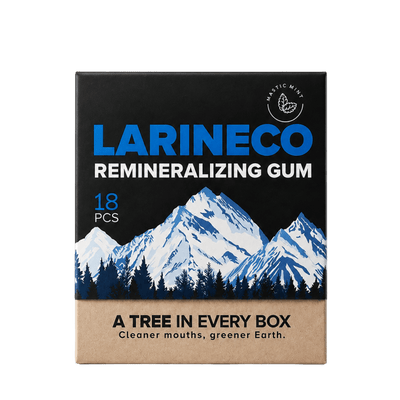
Your teeth need support after meals, and that's exactly why we put xylitol in our Larineco™ Remineralizing Gum. Brushing twice a day only adds up to about 4 minutes of care. For the rest of the day, food particles cling to your teeth, and acidic coffee, meals, and snacks wear on your enamel with no toothbrush in sight.
Xylitol is one of the simplest tools for a healthier mouth between brushings. Each piece of our gum pairs it with nano-hydroxyapatite and botanical ingredients to support enamel and a balanced oral microbiome. Every after-meal chew helps rinse away food acids, gets saliva flowing, and supports your enamel's natural remineralization.
Keep a pack in your bag or car so you can care for your teeth wherever you are. Staying proactive between brushings is one of the best ways to stay ahead of cavities and tooth decay, and those small moments add up for your long-term oral health.
Ready to upgrade your oral care routine? Shop our Remineralizing Gum here!