




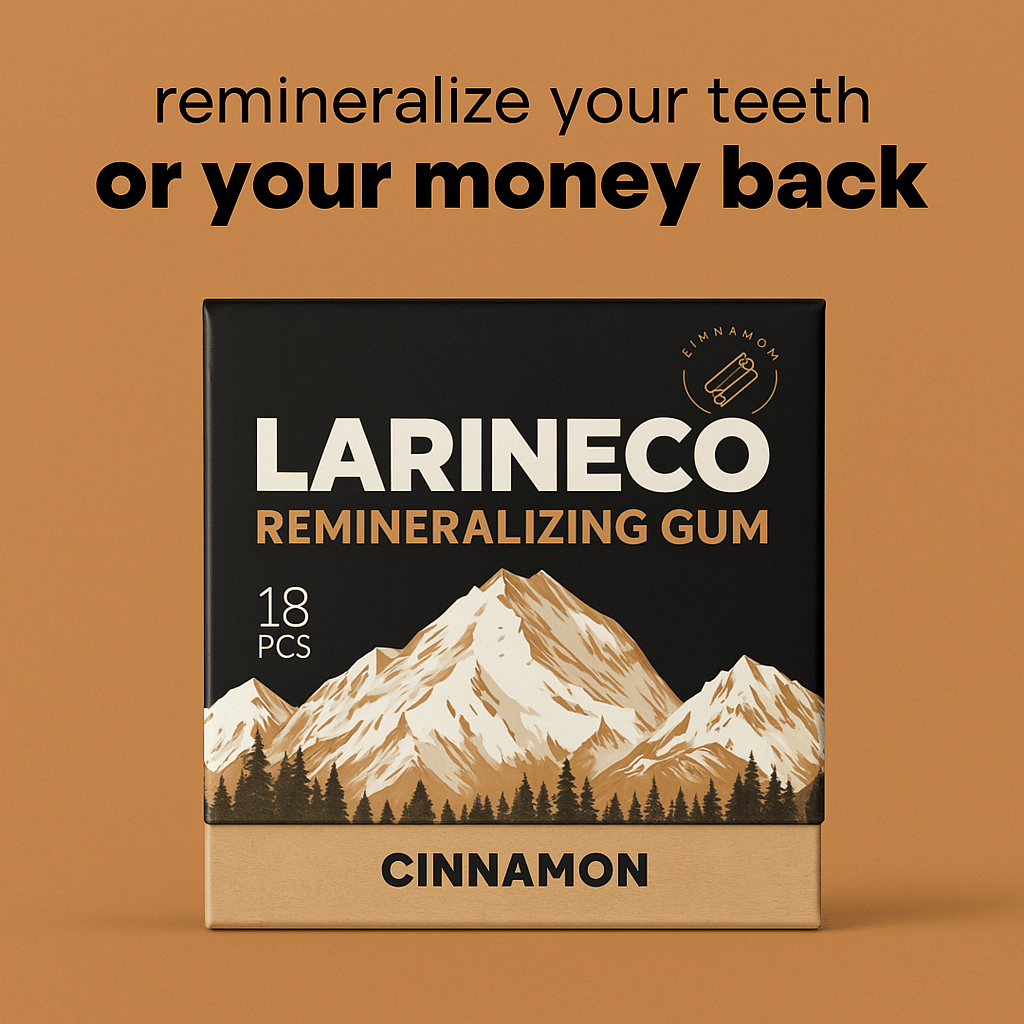


BRIGHTER TEETH, EVEN FOR COFFEE LOVERS - SHOP NOW
Based on Ingredient Research
Sponsored Content
Millions of Coffee Lovers Have Teeth Going Dull and Yellow, And Almost Nobody Realizes Why
And the Natural, Peroxide Free Way Thousands Are Brightening Their Smile

By | May 6, 2026
Estimated 5-7 Minute Read

Before

After
Lisa figured her dull, yellowing teeth were just what happens when you love coffee as much as she does.
This 38 year old teacher from Ohio had watched her smile fade so slowly that she barely noticed, until an old photo stopped her cold.
Three cups before noon, sometimes four. And a smile that had quietly gone gray and dull at the edges, even on the days she felt great.

"I just figured this was the price of loving coffee," she admits.
"I figured my bright smile was gone for good, and what was I going to do, give up coffee?"
But the dullness creeping across Lisa's teeth wasn't just age she had to accept. And she's not alone…
Look, The Coffee Stains You Think Are Just Age... Aren't
Do any of these sound familiar?

Teeth that still look yellow or dull no matter how often you brush

Coffee stains that creep back within hours of your morning cup

A rough, filmy feeling on your teeth by the middle of the afternoon

Sensitivity to hot and cold drinks that keeps getting worse

A gray or yellow cast along the gumline that whitening toothpaste never lifts

Catching yourself hiding your teeth in photos or smiling closed lipped

That dull, coffee film feeling no amount of brushing seems to fix
Most coffee drinkers notice at least a few of these, then shrug them off.
They blame getting older, or the coffee itself, then throw money at whitening strips and charcoal powders that never quite hold.
But what if the stains and the dullness all came back to the same thing?

What if the coffee, tea and wine you drink every day are quietly staining and roughening your enamel right now, and almost nobody realizes it is happening?
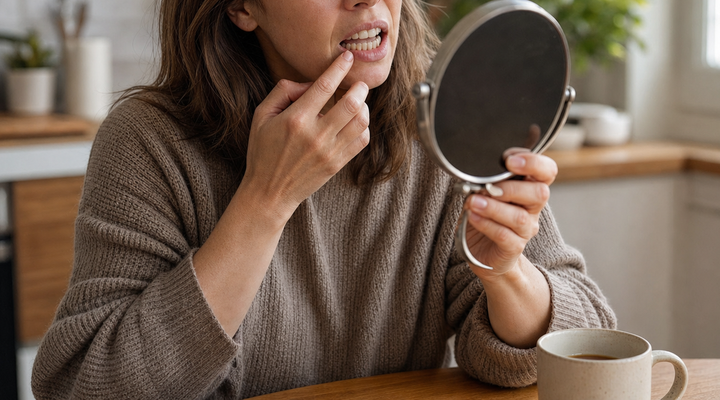
The Quiet Damage Happening To Your Enamel
If at least two of those sounded like your teeth…
Then here's what's actually going on.
Every cup of coffee leaves behind tiny pigments called tannins that grab onto your enamel.
Coffee, black tea and red wine are loaded with these staining compounds, and the acid in them slowly roughens the surface of your teeth so the color sinks in deeper.
The rougher your enamel gets, the faster new stains take hold, which is why the yellowing tends to speed up the longer you have been a daily coffee drinker.
And most people never see it coming…

Every coffee, tea and glass of wine leaves something behind, and it quietly goes to work on your teeth around the clock
Here's what's actually happening:

Settling into your enamel - sinking into the microscopic pits where coffee color gets trapped
Dulling the surface - so light stops bouncing back and your smile looks flat
Softening the enamel - the acid loosens the surface so new stains grab on even harder
Leaving a filmy layer - the kind brushing just skims across without ever lifting
Reaching deeper every day - so the yellow you see in the mirror keeps creeping darker
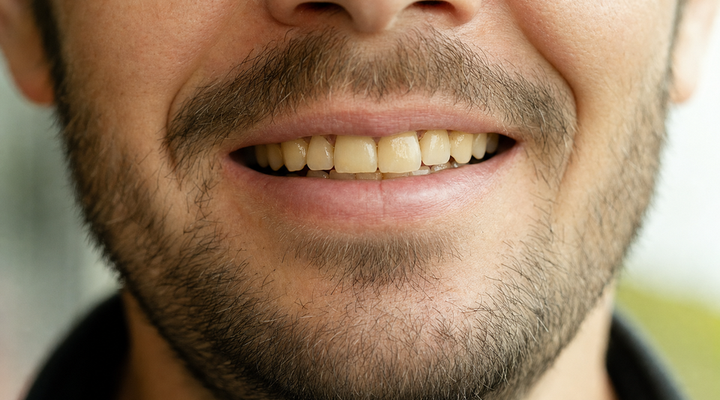
It's like leaving a coffee ring in a white mug and never wiping it out. Every day it sets a little deeper, until scrubbing barely touches it.
No wonder your teeth look duller than they used to, no matter how often you brush.
And here's the thing, none of this is really your fault.
Your enamel has been taking a hit with every sip, and nobody ever warned you.
Your Teeth Shouldn't Stay Stained If You Brush…
But Something Is Shielding Those Stains
And this is the part that makes it worse...
Coffee, tea and wine stains have a sneaky way of hiding from everything you throw at them.
Your enamel isn't as smooth as it looks. It's covered in microscopic rough spots and tiny pits, and that's exactly where stains and plaque settle in and bond. (Think of that filmy coating you can feel on your teeth first thing in the morning.)
Once color locks into those grooves, the surface of your teeth just won't let it go.
That's why plain brushing and quick-fix whitening skim right across the top and never reach the color sitting underneath, so the dullness always creeps back.

It's like trying to wipe a stain that's already soaked into fabric. You can scrub all day, but you never reach the color sitting deeper down.
That's why nothing you've tried has really brightened your smile.

Whitening strips?
Harsh peroxide that stings your gums, then the stains creep right back.

Charcoal toothpaste?
Abrasive scrubbing that can wear down the enamel you're trying to protect.

Whitening pens?
A quick surface shine that's gone by your next coffee.
Stains sink into those enamel grooves and survive treatment after treatment, while people spend hundreds on whitening kits that never fully deliver. And the moment you think your smile is brighter, the yellow starts creeping back.
It's like the color has dug itself right into your teeth…
And it will NOT lift with surface tricks alone.
The Breakthrough That Changes Everything
This is where Lisa's story takes the turn that could change yours too.
After years of just living with a dull, yellowing smile, Lisa found something that actually worked.
She came across a mineral that dentists have quietly trusted for decades, called nano-hydroxyapatite.
It's the same mineral that makes up 97% of your tooth enamel.
NASA first developed it back in the 1970s to protect astronauts' teeth, and Japan approved it for dental use in 1993.
What she learned next changed how she saw her whole routine.
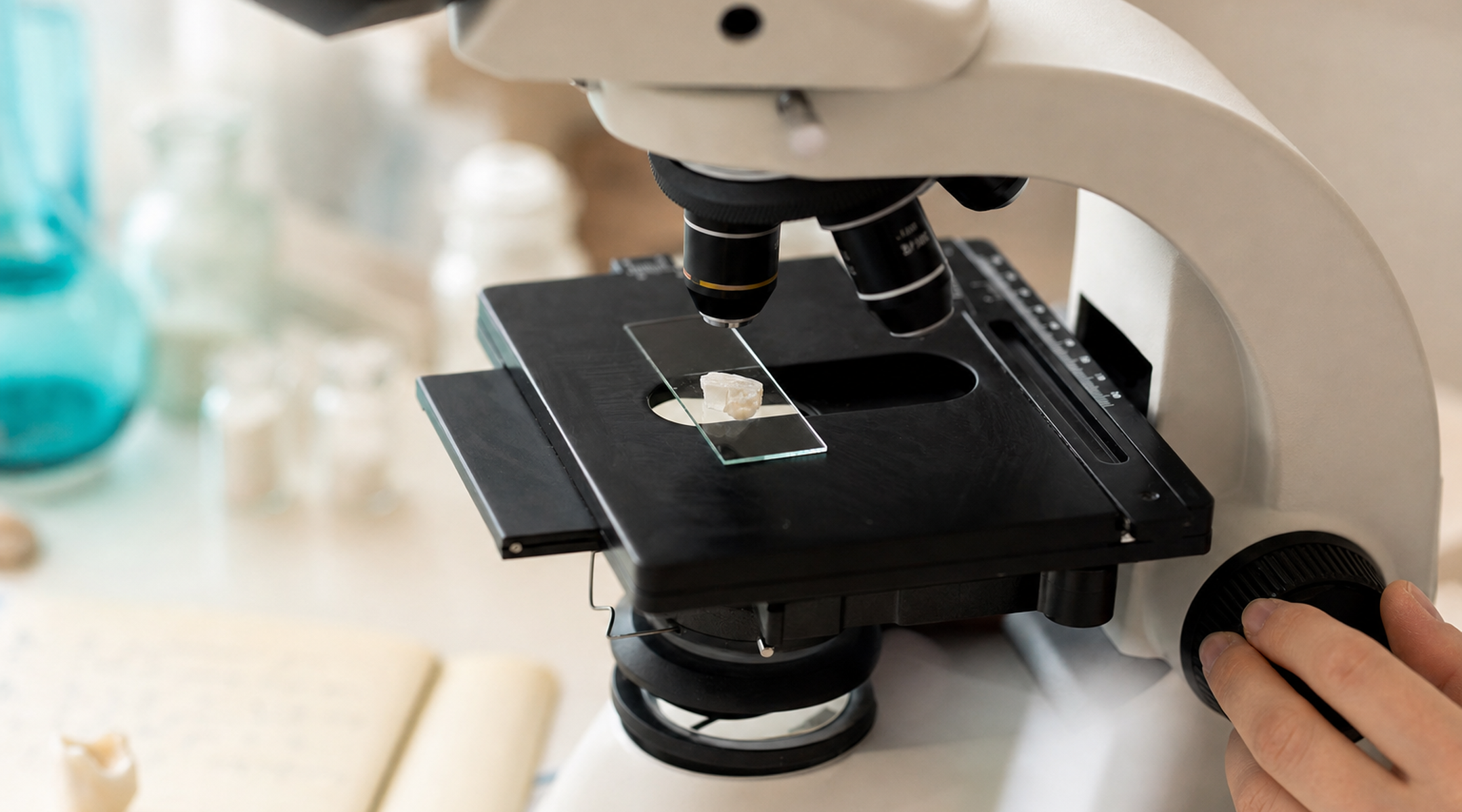
Because it's the exact same mineral your enamel is built from, nano-hydroxyapatite bonds right to your teeth and fills in the microscopic rough spots where stains hide.
And here's the part that mattered to Lisa: as those pits fill in and the surface polishes up, teeth start reflecting light again and look noticeably brighter.
It's now trusted in more than 70 countries and backed by thousands of peer-reviewed studies.


One woman had spent years hiding her smile in every photo. A few weeks of daily use later, she couldn't stop showing it off.
Another had teeth so dull that whitening strips never seemed to touch them.
And again, a few weeks on, her smile looked visibly brighter and cleaner.
But here's where it gets really interesting…
The nano-hydroxyapatite that works this well isn't just ANY version tossed into a tube of toothpaste.
It's the nano-sized form, with particles small enough to slip into the microscopic pits in your enamel.
And here's what nobody tells you: contact time is EVERYTHING.
A ten-second brush barely gives the mineral a chance to bond with your teeth.
That's like rinsing a stained mug under cold water. Sure, it's "cleaning," but it's not doing much for what's really set in.
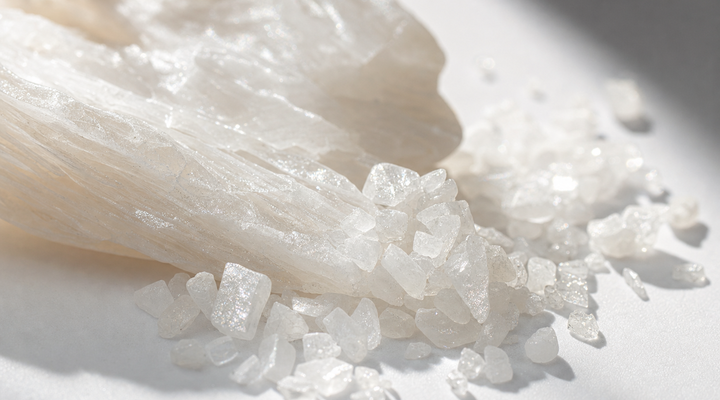
Studies keep landing on the same idea: the longer nano-hydroxyapatite stays in contact with your teeth, the more of those rough spots it can fill.
That's why the real trick is keeping it working on your enamel for as long as possible, not just a quick brush and rinse.
Because it IS your enamel's own mineral, nano-hydroxyapatite settles into the microscopic pits where stains and plaque hide, the same grooves that surface brushing can't reach.
Think of it like this: a quick brush is a splash of water on a set-in stain. Real contact time is a proper soak.
Once those pits are filled and smoothed over, the surface polishes up, reflects light again, and looks brighter.
So how do you ACTUALLY keep that mineral working on your teeth all day long?
The Two-Step Method That's Brightening Thousands Of Smiles
Think back to Lisa.
She learned that scrubbing the surface is only half the job. To actually brighten stained teeth, you have to fill the microscopic rough spots where coffee stains hide and stop new ones from grabbing on.
That's why this gum does two things at once, not just one:

First: Nano-hydroxyapatite (nHAp) - it binds to your teeth as you chew, filling the microscopic rough spots where coffee stains settle and polishing the surface so it reflects light and looks brighter again

Second: Xylitol and the Natural RMX50 Complex - they keep your mouth cleaner and help remineralize enamel between brushes, so stains have less to grab onto.
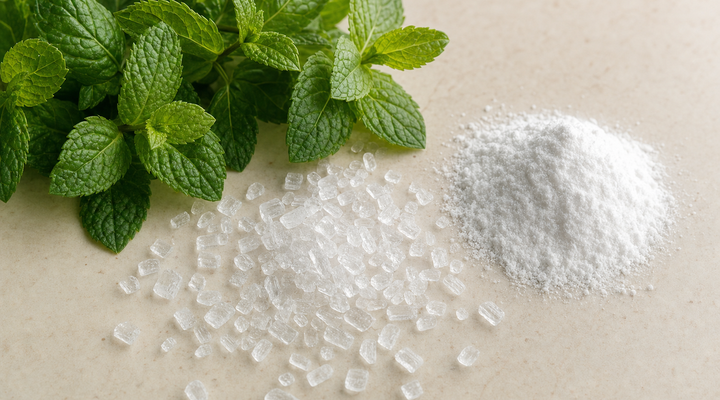
Nano-hydroxyapatite isn't some new lab invention. It's the same mineral that makes up about 97% of your tooth enamel, which is why your teeth recognize it and put it to work. Dentists have used it for years, and now it comes in a gum you chew after your coffee.
Together, the mineral and the xylitol work on stains from two sides at once, filling the rough surface and keeping it clean between brushes.
"I tried everything to keep my teeth white. Whitening strips that left them aching, pricey pens, even cutting back on coffee. Nothing stuck. A couple weeks of chewing this after my morning cup and my smile actually looks brighter."
While you keep buying strips and touch-up pens, the stains just keep setting a little deeper...
Finally, Something That Actually Works
Remember the mineral I mentioned?
The one that makes up about 97% of your enamel?
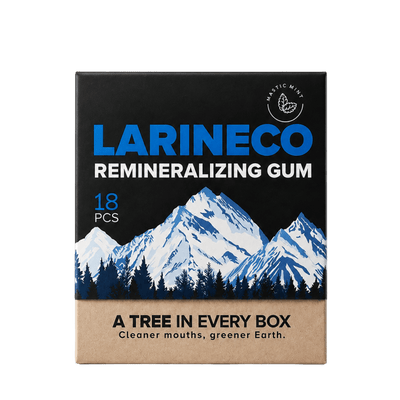
Larineco™ Remineralizing Gum is built around that same mineral, nano-hydroxyapatite, along with xylitol and the Natural RMX50 Complex.
No single thing whitens overnight, and your daily coffee habit still matters. But for coffee lovers who want a brighter smile without peroxide, this one is worth a look.
It's called Larineco™ Remineralizing Gum.
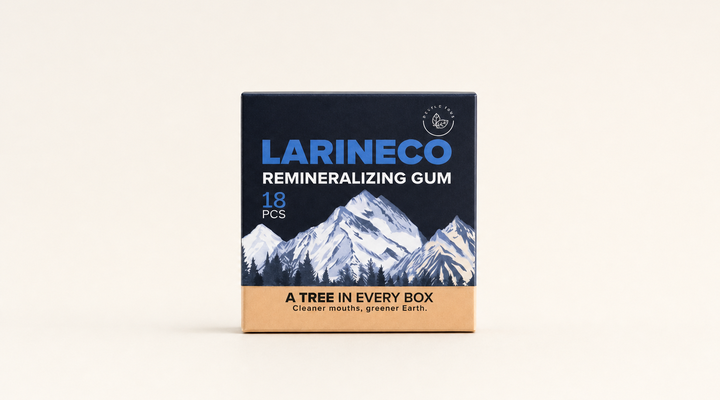
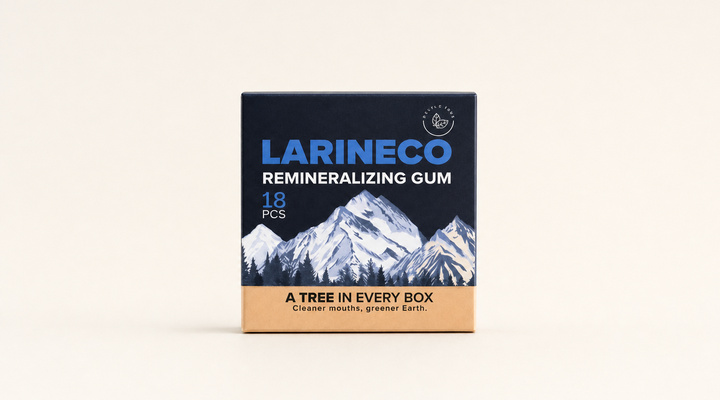
And it's catching on fast.
Larineco is built around nano-hydroxyapatite and third-party lab tested for purity.
Plus xylitol and natural gum bases like chicle and mastic that help keep your mouth clean.
The best part?
It's not a harsh whitening gimmick thrown together in someone's garage.

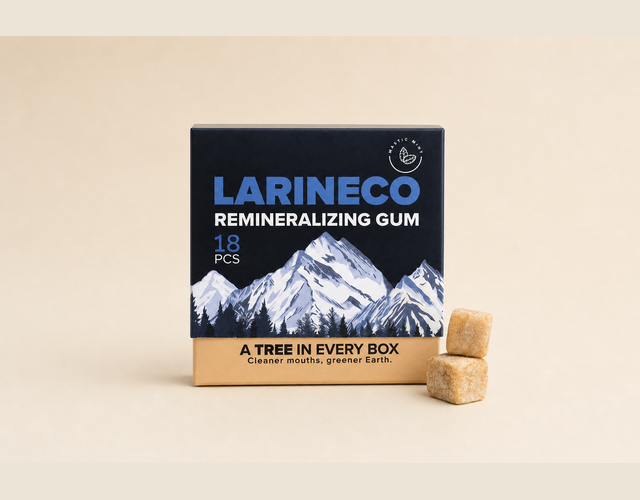

Independently third-party lab tested for purity.

Fluoride-free and sugar-free

Loved by dentists, trusted by 300,000+ smiles.
Real People, Real Smiles
"
"I had bad teeth. Since I started using Larine products my teeth started to get better. We love the toothpaste and gum. Thank you for your products."
Ajabu Ramsey | Verified Review
"
"I love this gum! The flavors are subtle and never overpowering, nothing like the typical gum you'll find on a store shelf. It's made with natural ingredients and is actually good for my teeth. It's become my go-to gum, and I highly recommend giving it a try."
RD Aguera | Verified Review
"
"Love the gum, and my family also loves it. It seems to keep all of us wanting to protect our teeth more."
Jamelen | Verified Buyer
Here's The Part Nobody Mentions
When you first start chewing it, the change is quiet.
Most people notice fresher breath and a cleaner, smoother feel within the first few days.
That's the easy part.
The brighter, less-stained look takes a little longer. It builds gradually with daily use, so chew a couple pieces after your coffee and stick with it.
Most people see their teeth start to look cleaner within the first week or two. By around week three is when people say the surface really starts to brighten.

Your Teeth Are Trying To Tell You Something
Right now, your teeth are telling you something. That dullness isn't random, and it isn't just "getting older."
It's a WARNING SIGN.
Every day you keep drinking coffee without protecting your enamel:
The coffee stains set a little deeper
The surface dulls and reflects less light
Your enamel keeps losing minerals
Your smile may keep looking duller
But imagine catching your reflection and seeing a smile that looks brighter and cleaner. No more dull, coffee-stained teeth.
Smiling wide in photos again.
Laughing without covering your mouth.
Enjoying your coffee without watching it dull your teeth.
That's what your smile can look like once you start helping your enamel instead of staining it.


The Decision That Turned My Smile Around
Lisa made up her mind after years of hiding her smile.
"I'd already thrown money at whitening strips, pens, even trays from my dentist, and nothing really stuck. What's another $30? Especially
with a money-back guarantee."
A couple of weeks of chewing a piece after her coffee, and her smile started looking brighter. A month in, she'd stopped hiding her teeth in photos.
Six months later:
"My smile looks years fresher. I didn't realize how much I'd been hiding it until I actually wanted to show it off again."
Individual results may vary.

It's Time To Take Back Your Smile
Look, those coffee stains aren't leaving on their own.
Every cup adds another layer, settling into the tiny rough spots on your enamel and staying put.
You can keep hiding your smile and hoping nobody notices.
Or you can start brightening it with every chew.
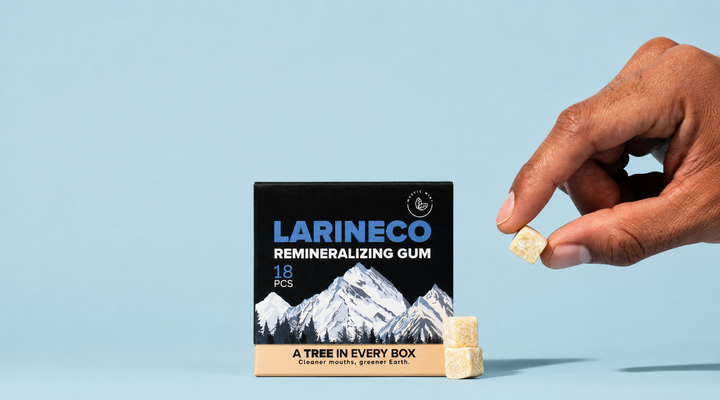
Larineco comes with a 30-Day 100% money-back guarantee, no questions asked, because we're sure you'll notice the difference.
Don't put it off another day. Your smile is worth it.
Order Larineco™ Remineralizing Gum Now a remineralizing chewing gum built around nano-hydroxyapatite, the same mineral that makes up 97% of your enamel, with 18 pieces in every box.
P.S. Coffee, tea and wine stain your enamel a little more every single day, and those stains only set deeper the longer they sit. Nano-hydroxyapatite is the same mineral that makes up 97% of your enamel, and it has been used in oral care for over 40 years across more than 70 countries. Larineco puts it into a gum you simply chew after your coffee, up to 30 minutes per piece. Plenty of people say they notice a brighter smile within the first few weeks. Order now while your discount still stands.